
According to CNBC, TikTok has been reported to the KPPU by the Indonesian Electronic Logistics Association (APLE) against the platform for alleged monopoly. KPPU’s Director of Public Relations and Cooperation, Deswin Nur, indicated that the completeness of the report was being verified.
In response to the CNBC inquiry, Deswin Nur stated: “If the report is complete and in accordance with KPPU’s mandate, we will follow up on the preliminary investigation to gather evidence.” In another contact, Panji Satria Utama, the legal representative of APLE, Satya Law, indicated that they were awaiting the follow-up of the report by KPPU. One of its findings involved TikTok Shop suspected of vertical integration or attempting to control distribution from upstream to downstream markets. This practice is prohibited in Indonesia and is governed by Article 14 of Law No. 5 of 1999. He explained that TikTok violated the non-payment requirement for social media platforms. This provision is contained in article 21 (3) of the Minister of Trade Regulation No. 31 of 2023. “… In this case, TikTok, which was originally a social media platform for sharing short videos, has now evolved into a digital shopping platform, and currently TikTok has a shopping function, which can be accessed by means of the `Shopping Cars’ column attached to the home page video, or by the `Shop’ column clearly displayed on the TikTok platform,” he adds.
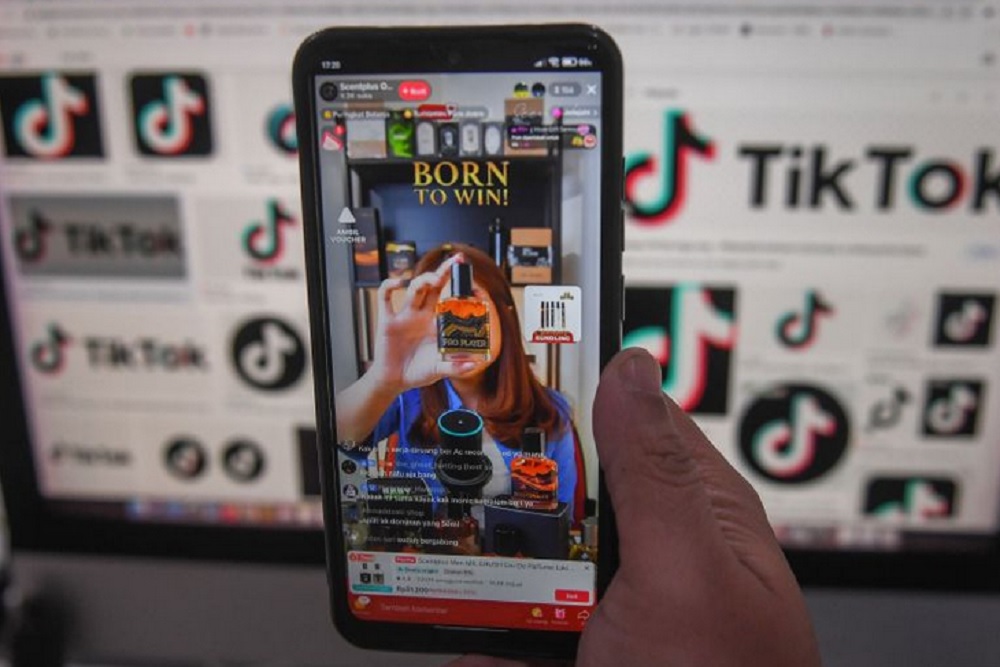
TikTok also failed to provide a free choice of courier services for consumers who wanted to shop. He considers this discrimination against certain courier companies. According to Panji Satria Utama: “This of course has the potential to trigger a monopolistic act by closing other courier services to the services provided by the TikTok platform.” Panji Satria Utama also stated that TikTok was suspected of having committed certain acts, which could eventually harm businesses that did not sell within TikTok but offered lower prices. “This approach has the potential to trigger unfair business competition. Article 20 of Law No. 5 of 1999 clearly states that “Panji Satria Utama says.