
According to the latest study commissioned by Aptoide, 84 per cent of mobile developers believe that the current industry is not sustainable under the apple and Google-led app store pattern. This white paper, Ctrl. Alt. Del. – Reclaiming The Gaming Distribution Landscape, was independently implemented by Atomik Research and studied the top developers of more than 300 hand-trip studios in the United States and the United Kingdom.
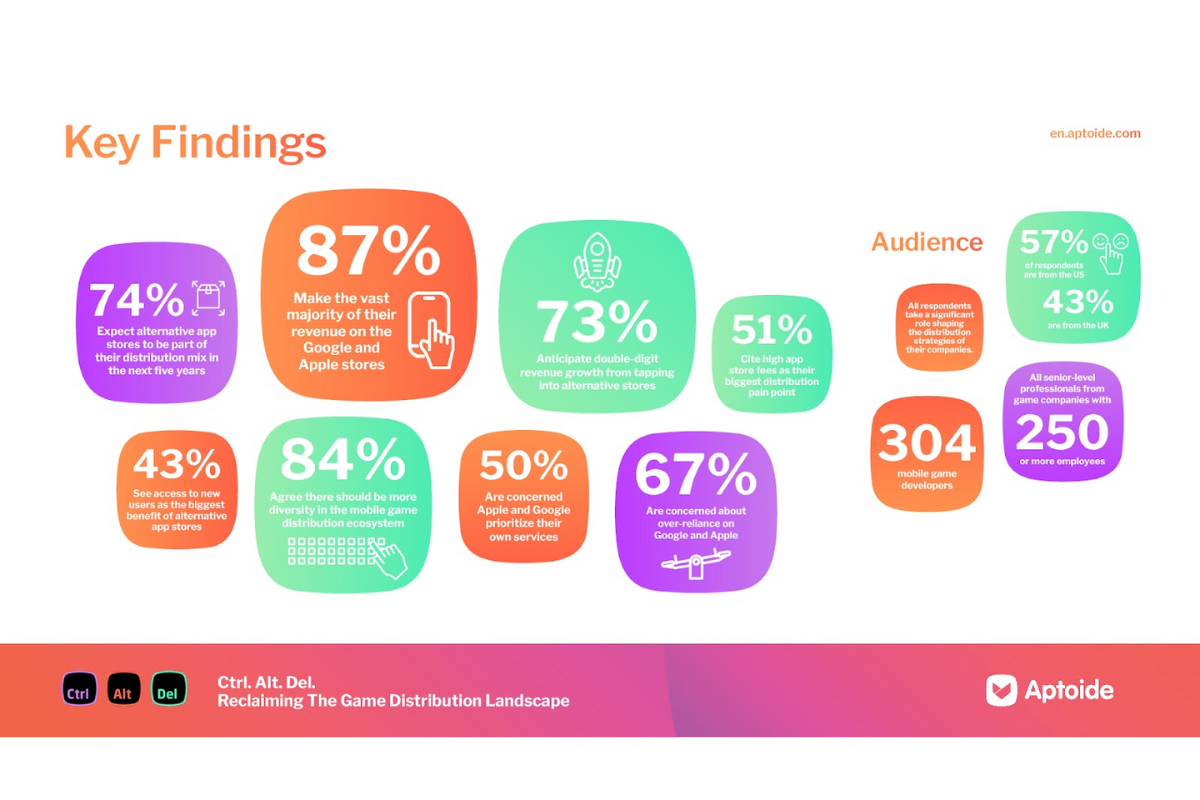
According to the survey, over half of the respondents listed “excessive application shop-laying or marketing costs” as the first point of pain, followed by user acquisition costs (46 per cent) and “restrictive policies” (44 per cent). Forty-three per cent of developers at the same time reflect the “low visibility and market saturation” of mainstream platforms. While 87 per cent of developers still receive their main income from Google and Apple Shops, 74 per cent of respondents expect “alternative app stores to become the core of their distribution strategies within five years”. Nearly half of the developers consider that existing content restrictions constrain development and are seeking better income sharing and services through alternative shops. Seventy-three per cent of developers expect “double-digit growth” through alternative shops, driven mainly by “new user groups and a more liberal policy environment”. As Paul Tretgentos, co-founder of Aptoide, noted: “The long-standing two-headed monopoly stifles the potential for commerce and creativity, setting too many rules and extracting too much income. Our research confirms that the developers are ready to take control.”
“The transition to alternative distribution channels is at a practical stage. These channels not only help us reach a wider audience and reduce reliance on single platforms, but also provide more flexible marketing strategies to optimize costs and increase profits.”
As the first non-Axios store, Aptoide launched a test version in June of last year and was fully online in the EU early this year. The report reveals the strategic re-engineering trends that the game distribution ecology is experiencing. It is worth mentioning that Epic Game, which has been a long-standing and bitter Google Google and Apple, officially launched the Epic Web Shop service at the beginning of the month for the mobile end and the PC platform. Through Epic’s autonomous distribution tool, developers are able to sell game innerware directly to consumers through their “Global Distribution Network and Scaled Electricer Platform”.
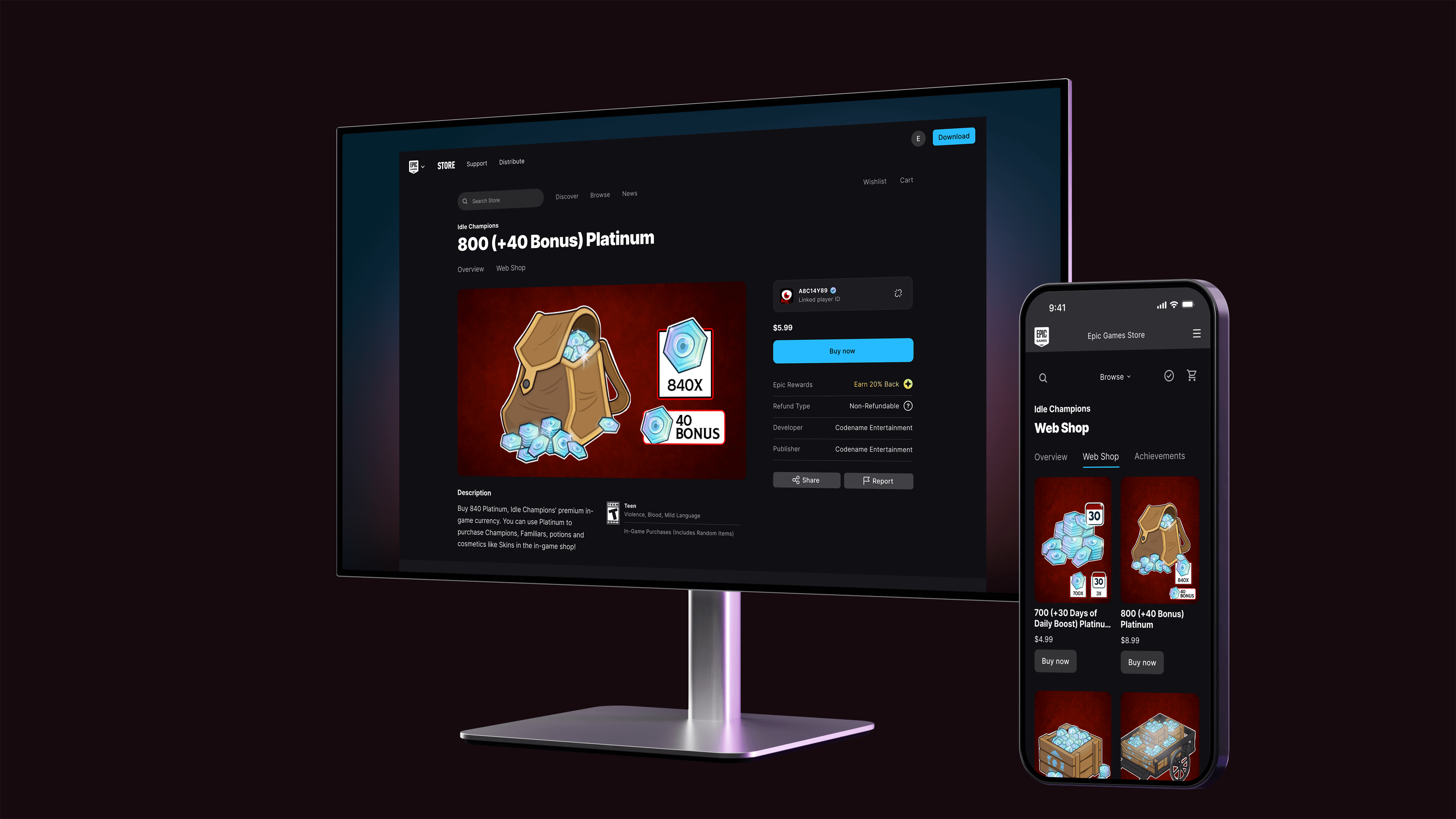
Unlike 30 per cent of App Store and Google Play, the Epic store provides a more favourable share of proceeds for developers, with 100 per cent of the first $1 million of net annual proceeds per game available to developers. After the threshold has been exceeded, the platform will be routinely divided into 88 to 12 per cent.
