As a result of India ‘ s policy policy to ban all genuine gold games, India ‘ s largest dream sports platform, Dream 11, began to expand international expansion and officially launched its free-of-charge competitive dream sports products in 11 new countries. Under pressure from the Online Game Promotion and Regulation Act, Dream 11 abandoned its old fee-matching model and turned to a new path of overseas growth, with new overseas markets including the United Kingdom, the United States, Australia, New Zealand, Canada, Malaysia, Nepal, Bangladesh, the United Arab Emirates, South Africa and Sri Lanka.
Dream 11 was successful in creating a strong brand and business landscape in India, with millions of users and in-depth collaboration with several cricket leagues. However, this situation has changed dramatically since the Government of India enacted the Online Game Promotion and Regulation Act in August this year, which explicitly prohibits all cash-incentive games, including dream sports, Rami and poker. It is worth noting that electronic competition is excluded and targeted for support, and the Government of India intends to foster indigenous electric competitions. The bill directly caused about 95 per cent of Dream 11’s income to evaporate immediately and was forced to seek transformation. The platform is now fully based on a free-of-charge competitive model, with users winning non-monetary incentives through participation in competitions. Companies have diversified their sources of income towards advertising, sponsorship and brand cooperation. The co-founder and Chief Executive Officer of Dream11 (Harsh Jain) stated that this was a necessary option for maintaining operational competitiveness under the new regulations. The international expansion of Dream 11 is not a simple replica of the original model, but a profound localization that is compatible with national sports cultures and user preferences. In Australia, the platform will launch dream games that encompass both the Football Alliance and the Australian Football League to call for the mainstream sports ecology; in the United States and the United Kingdom, dream competitions are organized around local popular sports leagues, with incentives in the form of brand-sponsored, not cash.
This strategic adjustment reflects the fact that Dream 11 seeks to resonate in depth with sports fans from different parts of the globe, i.e., by matching the content of local culture with the elements of local culture, while strictly observing the regulatory frameworks that vary from one place to another. One of the core highlights of the launch was the “Flex” model, which allows users to create fantasy leagues on their own, with flexibility in setting the game system, points rules and play methods. The function is designed to increase user activity, in particular by attracting players who are more interested in social interaction and skills competition than in financial returns. The free competition transition has also opened up new channels of advertising and brand cooperation for Dream 11. According to the company’s chief marketing officer, Vikrant Mudaliar, brands such as Swigi, Astrotalk and Tata Neu were initially involved in sponsorship of leagues and advertising. This model provides greater flexibility for brand cooperation and makes Dream 11 more commercially valuable in the global advertising market.
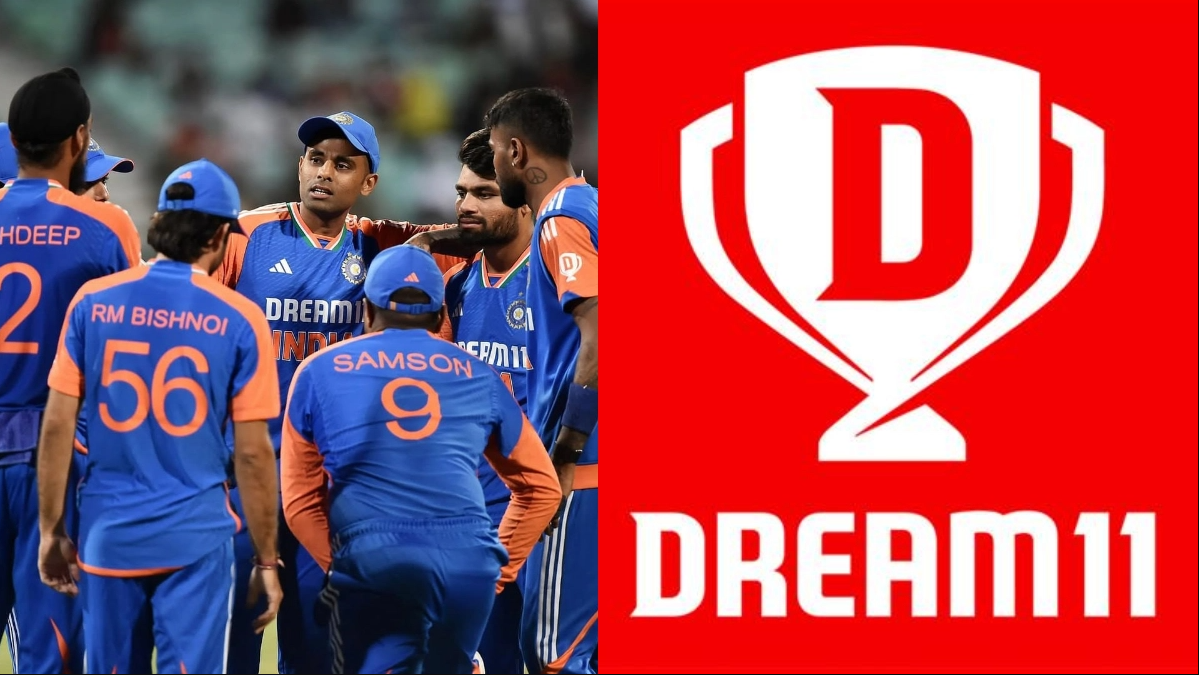
This expansion comes at a time when India is imposing severe restrictions on online gold games. Dream 11 focuses on markets with relatively relaxed regulatory environments, such as the United Kingdom, the United States and Australia, to further diversify income risks. In Australia, dream sports is classified as sports games rather than casino-style gambling, so Dream 11 can legitimately operate free games based on corporate lottery plates. Such a clear legal definition and maturity of the market environment provides a stable development ground for the reshaped business model of Dream 11. Dream 11, India ‘ s first unicorn firm in dream sports, was valued at $8 billion in 2021, with over 250 million registered users and 10 million live players. However, the Online Game Promotion and Regulation Act not only stopped all fee-paying competitions but also ended its sponsorship of the Indian national cricket team. Nevertheless, this international expansion has highlighted the extraordinary resilience and adaptability of Dream 11.
Looking ahead, Dream11’s ambition is not just to survive, but to lead change — to build a world-class dream sports platform by promoting a global, cash-free, skill-based competition. Its innovative functions, such as the “Flex” model, are expected to reshape the social and competitive ways of sports fans.
