The latest Global Impact Report 2025, published by the Recreational Software Association (ESA), shows that only 66 per cent of players see “interest” as the main driver of the game. The study further revealed the multidimensional value of the game in terms of mental health, skills development and social connectivity.

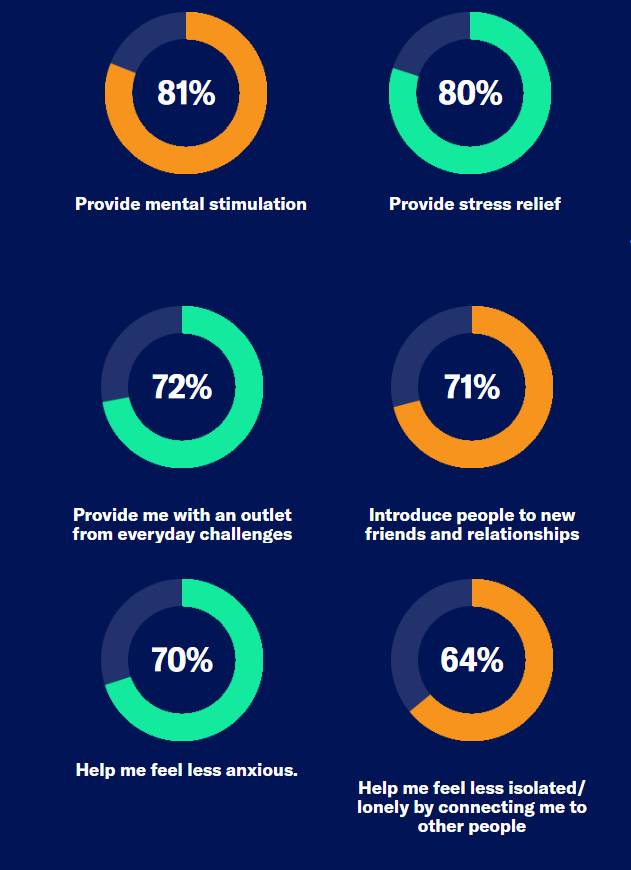
The global survey, carried out by AudienceNet, collected 24216 reports from 21 countries/areas on six continents: Australia, Brazil, Canada, China, Japan, Germany, the United States, the United Kingdom and Saudi Arabia. Interviewees are between the ages of 16 and 65 years and play with active players for at least one hour per week through the mainframe, PC and mobile devices. A study published by American Psychologists states that “play may be one of the most effective ways to provide positive emotions for children and adolescents”. The author notes that video games have cognitive, motivational, emotional and social benefits and are “in particular inspired by their potential to promote physical and mental health interventions, including prevention and treatment of mental health problems among adolescents”. According to the report, 58 per cent of respondents used stress relief as a motivation for the game, 45 per cent of whom felt that the game helped to keep thinking agile. With specific reference to the mental health dimension, 77 per cent of the world ‘ s players recognize the positive effects of the game on stress reduction, 70 per cent believe that it can alleviate anxiety and 64 per cent reduce loneliness through game connections. This is highly consistent with United States player data: 75 per cent feel less stress, 67 per cent less anxiety and 58 per cent less loneliness.
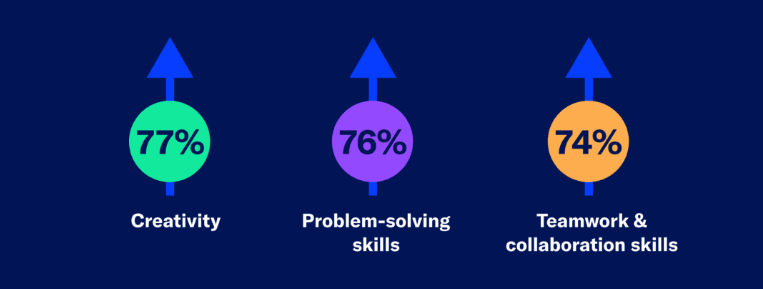
Researchers at Oxford University studied the impact of play on more than 80,000 players and reported that the results “confirmed the long-standing view of qualitative research and reports from video game players from around the world that play is good for people”. The positive impact of playing goes beyond the emotional value of watching television, reading and shopping. In terms of capacity enhancement, global players generally agree that the game promotes creativity (77 per cent), problem-solving (76 per cent) and teamwork (74 per cent), while enhancing adaptive, critical thinking and communication. The three most significant increases in United States players’ abilities are adaptive (77 per cent), culturally sensitive (74 per cent) and communication (73 per cent).
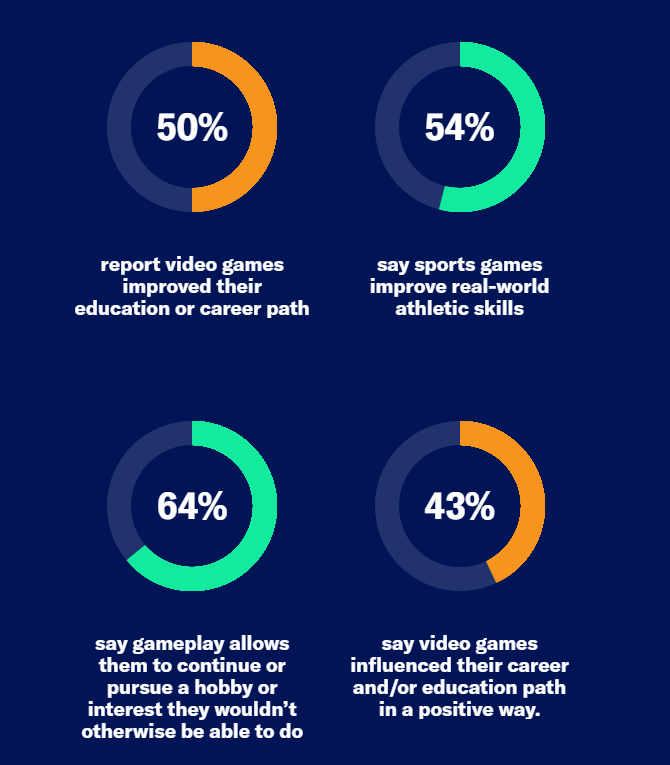
A book in the magazine Procedia Computer Science states: “The cognitive skills of perception, attention control and decision-making are enhanced when the subjects are trained in video games. Careers such as nurses and doctors have improved their decision-making and risk assessment skills after training in serious simulation games. High school and undergraduate students who play video games perform better than those who don’t. At the career development level, half of the world ‘ s players acknowledge that games contribute to professional education and 43 per cent indicate that they affect their career or educational path choices. Forty-five per cent of United States players recognize the positive impact of games on careers. It is noteworthy that 54 per cent of global players believe that sport-like games can enhance real-life sports skills, with an identification rate of 44 per cent in the United States.
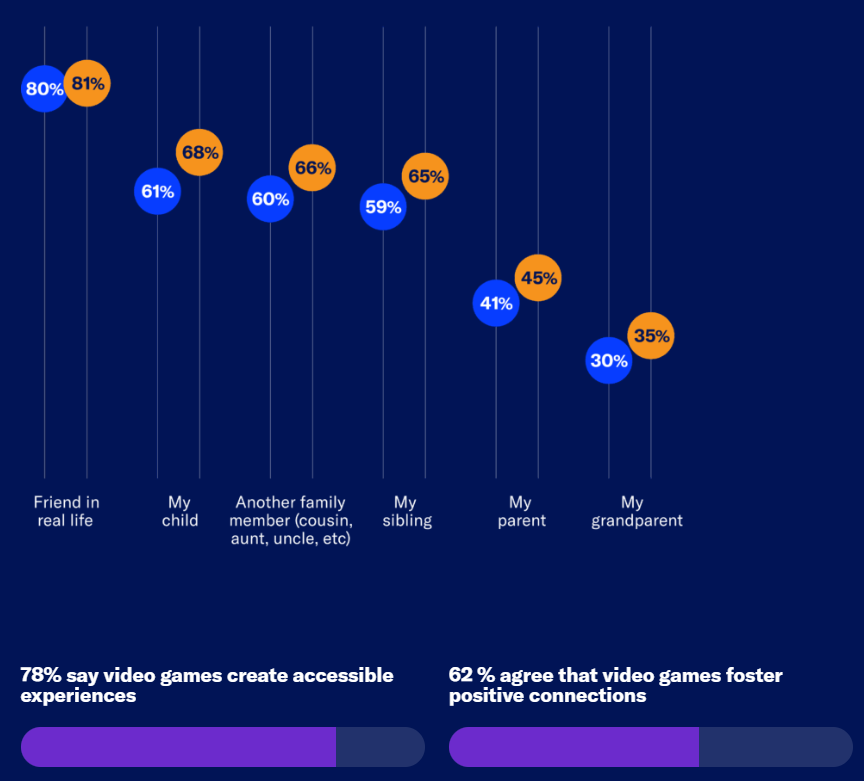
Social values are particularly prominent among young groups. Of the 16-35-year-olds playing at home worldwide, 67 per cent meet their best friends or partners through games, and 73 per cent believe that game connections are effective in reducing loneliness. With regard to filiation, 55 per cent of global players think that the game optimizes parent-child interaction, 68 per cent play with children at least once a month, and 47 per cent in the United States recognize the improvement of filiation.
Research by the University of Veranova and the University of Steinson in the United States suggests that “video games provide an opportunity for players to develop skills to manage conflicts, develop solutions, interact with friends and experience different emotions”. Data show that the average age of players globally is 41 years, with a regionally balanced sex ratio (51 per cent for men and 48 per cent for women). In Brazil, South Africa and other countries, the proportion of women players is higher than that of men.
